
Construction contractors operating in North Carolina, Florida, and Arizona represent some of America’s most dynamic building markets, where population growth, infrastructure development, and economic expansion create substantial equipment financing opportunities.
Finance companies serving construction contractors in these high-growth states understand the unique challenges, project-based cash flows, and equipment needs that define successful construction operations across diverse climate conditions and market demands.
Regional Construction Market Dynamics
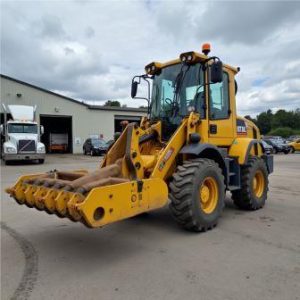 North Carolina’s construction industry benefits from sustained population growth, particularly in the Research Triangle and Charlotte metropolitan areas, driving demand for both residential and commercial construction.
The state’s business-friendly environment attracts corporate relocations and expansions, creating substantial commercial construction opportunities.
North Carolina contractors operate in a competitive market that demands efficient equipment and operational excellence, with year-round construction seasons enabling consistent project activity.
The state’s diverse geography, from coastal areas to mountainous regions, requires versatile equipment capable of handling varied terrain and weather conditions.
Florida’s explosive population growth and tourism industry create unparalleled construction opportunities across residential, commercial, hospitality, and infrastructure sectors.
The state’s year-round construction season enables continuous project activity, though hurricane seasons create unique challenges requiring weather-resistant equipment and disaster preparedness planning. Florida’s coastal development, urban growth, and aging infrastructure drive demand for specialized equipment ranging from high-rise construction machinery to marine construction equipment. The state’s competitive construction environment rewards contractors with modern, efficient equipment and strong financial backing.
Arizona’s rapid population growth, particularly in Phoenix and Tucson metropolitan areas, generates substantial residential and commercial construction demand.
The state’s desert climate enables year-round construction activity while presenting unique challenges including extreme heat, dust conditions, and water scarcity that affect equipment selection and operational planning. Arizona’s tourism industry, retirement communities, and technology sector growth create diverse construction opportunities requiring specialized equipment and expertise. The state’s competitive labor market and material costs make equipment efficiency and productivity crucial for contractor success.
Construction Equipment Categories and Applications
 Heavy earthmoving equipment represents fundamental investments for contractors across all three states.
Excavators, bulldozers, loaders, and grading equipment enable site preparation, foundation work, and infrastructure development essential for most construction projects.
These machines require substantial capital investment but provide the foundation for successful construction operations.
Concrete equipment financing addresses critical needs for foundation work, structural construction, and infrastructure projects. Concrete pumps, mixers, and finishing equipment enable efficient concrete placement while ensuring quality standards.
Arizona’s extreme heat requires specialized concrete equipment capable of maintaining workability in high temperatures, while Florida’s hurricane-prone environment demands equipment capable of rapid deployment for storm recovery operations.
Lifting and crane equipment enables vertical construction essential for commercial and high-rise projects increasingly common in urban areas across all three states. Tower cranes, mobile cranes, and specialized lifting equipment require significant investment but enable contractors to pursue lucrative vertical construction projects.
Climate-Specific Equipment Considerations
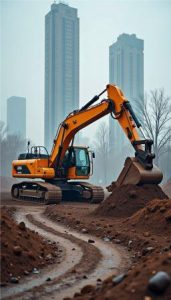 North Carolina’s varied climate requires equipment capable of operating in both hot, humid summers and occasional winter weather conditions.
Contractors need versatile equipment with appropriate heating and cooling systems for operator comfort and equipment reliability across seasonal variations.
Florida’s tropical climate and hurricane exposure demand equipment with enhanced corrosion resistance, humidity protection, and storm preparedness capabilities.
Coastal contractors require equipment capable of operating in saltwater environments, while inland contractors need equipment designed for high humidity and frequent rainfall conditions.
Arizona’s extreme desert climate requires specialized equipment cooling systems, dust protection, and heat-resistant components. Contractors must invest in equipment capable of operating reliably in temperatures exceeding 115 degrees Fahrenheit while maintaining operator safety and comfort.
Dust filtration systems and enhanced maintenance schedules become essential for equipment longevity.
Project-Based Financing Structures
Construction contractors operate with project-based cash flows that require financing structures aligned with contract payment schedules and project completion timelines.
Equipment financing must accommodate irregular payment patterns while providing contractors with the tools needed for project success.
Progress payment financing enables contractors to align equipment payments with project milestone payments, reducing cash flow strain during project execution.
These structures recognize that construction revenue arrives in irregular patterns tied to project completion phases rather than consistent monthly schedules.
Seasonal adjustment provisions accommodate contractors who experience seasonal demand variations, particularly in markets affected by weather patterns or tourism cycles. Payment deferrals during slow seasons enable contractors to maintain equipment access while managing cash flow during reduced activity periods.
Specialized Construction Applications
 Road construction and infrastructure projects require specialized paving equipment, road building machinery, and traffic control systems.
These applications often involve long-term contracts with government entities that provide payment security but require substantial upfront equipment investments.
Marine construction along Florida’s extensive coastline creates demand for specialized marine construction equipment including pile drivers, dredging equipment, and waterfront construction machinery.
These applications require equipment capable of operating in saltwater environments with enhanced corrosion protection.
Utility construction across all three states requires specialized trenching equipment, pipe laying machinery, and underground construction tools.
These applications serve growing populations and expanding infrastructure needs while requiring specialized equipment and operational expertise.
Technology Integration and Efficiency
Modern construction equipment increasingly incorporates GPS technology, automated grade control, and telematics systems that improve operational efficiency and project accuracy. These technology investments provide measurable returns through reduced labor costs, improved accuracy, and enhanced productivity.
Fuel efficiency technology becomes increasingly important as fuel costs impact project profitability. Advanced engine technology, hydraulic efficiency improvements, and operational optimization systems provide cost savings that improve competitive positioning.
Financing Considerations and Regional Advantages
 Equipment financing across these high-growth markets benefits from strong construction demand and economic growth that supports equipment investment returns.
However, competitive markets require modern, efficient equipment to maintain competitive advantages and project profitability.
Insurance coordination becomes particularly important in hurricane-prone Florida, where comprehensive coverage protects equipment investments against weather-related damage.
Arizona’s extreme conditions require insurance considerations for heat-related equipment damage and operational challenges.
Dealer network access ensures that contractors can obtain parts, service, and support necessary for equipment reliability across diverse geographic areas and challenging operating conditions.
Future Growth and Opportunities
Infrastructure investment initiatives across all three states create long-term equipment demand for road construction, bridge work, and utility projects. These opportunities require substantial equipment investments but provide stable, long-term revenue potential.
Green building trends drive demand for environmentally efficient construction equipment that reduces emissions and operational environmental impact. These investments often qualify for incentive programs and financing advantages that reduce effective costs.
 Population growth projections indicate continued construction demand across North Carolina, Florida, and Arizona, supporting equipment investment decisions and providing confidence for long-term financing commitments.
Construction equipment financing across these dynamic markets supports the contractors who build America’s fastest-growing communities while managing the unique challenges of diverse climates, competitive markets, and project-based operations that define success in modern construction markets.


